

Key Takeaways
The I-26 corridor through Summerville carries heavy commercial truck traffic between the Port of Charleston and Columbia, and five roads account for approximately half of serious-injury crashes in the area: US-17A, Berlin G. Myers Parkway, Old Trolley Road, Dorchester Road, and Central Avenue. Rapid population growth has outpaced road infrastructure. South Carolina gives victims 3 years to file (S.C. Code § 15-3-530), and recovery is barred only once a plaintiff’s own negligence is greater than the combined negligence of the defendants.
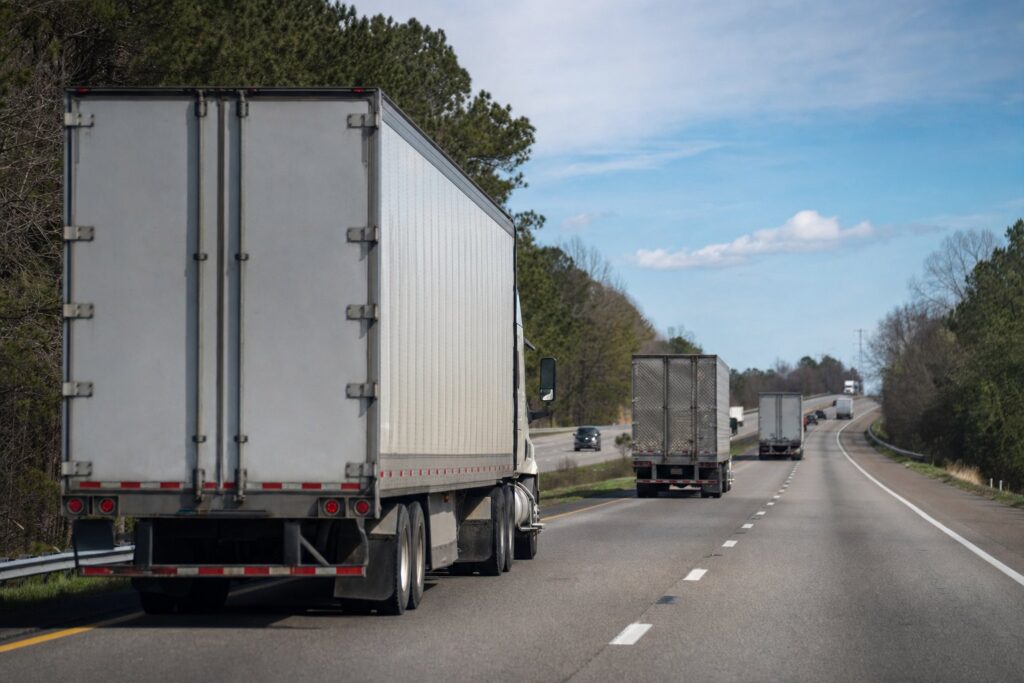
Truck Accidents in Summerville: The I-26 Corridor Threat
Summerville sits astride the I-26 corridor, the major freight artery connecting the Port of Charleston with Columbia, the Upstate, and the national highway network — and it has grown faster over the past decade than almost anywhere else in South Carolina. A town that still markets itself as the “Flower Town in the Pines” now absorbs port container traffic on a road network laid out for a fraction of the volume it carries.
The combination of rapid residential growth, expanding commercial development, and unrelenting I-26 truck volume has created a collision crisis that Summerville’s road infrastructure was never designed to handle.
Why Summerville Has a Truck Accident Problem
I-26: The Freight Backbone
I-26 is the primary truck corridor between the Port of Charleston and inland destinations. Every container leaving the Hugh Leatherman Terminal or Columbus Street Terminal by truck heading to Columbia, Charlotte, Greenville, or points beyond passes through Summerville on I-26. The highway carries a truck percentage significantly above the statewide average, and that percentage is growing as port volumes increase.
Rapid Population Growth
Summerville and Dorchester County are among the fastest-growing areas in South Carolina. New residential subdivisions generate commuter traffic that intersects with I-26 truck traffic at interchanges designed for much lower volumes. The roads connecting neighborhoods to I-26 — US-17A, Berlin G. Myers Parkway, Old Trolley Road, Dorchester Road, and Central Avenue — were not built for the combined residential and commercial load they now carry.
The Five Most Dangerous Roads
Five roads account for approximately half of all serious-injury crashes in the Summerville area:
| Road | Key Hazard |
|---|---|
| US-17A (Main Street/Boone Hill Road) | Primary north-south commercial corridor with heavy truck traffic, multiple driveways, and pedestrian activity |
| Berlin G. Myers Parkway | High-speed connector between US-17A and I-26 with growing commercial development on both sides |
| Old Trolley Road | Residential-to-commercial corridor with high volumes, limited sight lines, and frequent left-turn conflicts |
| Dorchester Road | One of Charleston County’s deadliest roads, extending from North Charleston into Summerville with heavy truck volume |
| Central Avenue | Key east-west connector carrying both local and truck traffic between US-17A and I-26 access points |
Commercial Development Outpacing Infrastructure
New shopping centers, distribution facilities, and commercial developments along the I-26 corridor generate truck delivery traffic on roads that lack adequate turn lanes, acceleration lanes, and truck-rated pavement. Trucks serving these developments mix with residential traffic on roads that residents expected to remain low-volume neighborhood connectors.
Common Truck Crash Scenarios in Summerville
I-26 Interchange Crashes
Summerville’s I-26 interchanges — particularly at US-17A and Berlin G. Myers Parkway — are high-conflict zones where trucks exiting I-26 at speed merge into surface traffic. Trucks decelerating on off-ramps create rear-end hazards for following vehicles, while trucks entering I-26 from surface streets must accelerate through gaps in 70-mph traffic.
Delivery Truck Crashes on Commercial Corridors
The growth of Summerville’s commercial areas means constant delivery truck traffic on US-17A, Central Avenue, and Berlin G. Myers Parkway. Box trucks, beverage trucks, and fuel tankers making frequent stops create speed differentials and blind-spot hazards for passenger vehicles.
Construction Zone Crashes
Road widening and infrastructure projects throughout the Summerville area create temporary hazards — lane shifts, narrow lanes, uneven pavement, and construction equipment. Trucks navigating these zones have less margin for error than passenger vehicles, and construction zone rear-end crashes involving trucks are consistently severe.
I-26 Through-Traffic Crashes
Long-haul trucks on I-26 pass through Summerville at highway speeds. Driver fatigue is a significant factor — trucks that have been traveling from Columbia, Charlotte, or further are hours into their drive by the time they reach the Summerville corridor. FMCSA hours-of-service regulations limit driving to 11 hours within a 14-hour window, but violations are common, particularly among smaller carriers.
FMCSA Regulations
All commercial trucks on I-26 and Summerville roads must comply with federal regulations:
- Hours of Service: Maximum 11 hours driving in a 14-hour duty window after 10 consecutive hours off
- Electronic Logging Devices: Digital recording of all driving time — ELD data is the single most important piece of evidence in fatigue-related truck crashes
- Pre-trip inspections: Mandatory inspection of brakes, tires, lights, steering, and safety equipment before each trip
- Cargo securement: Proper load distribution, tie-down requirements, and weight limits
- Drug and alcohol testing: Pre-employment, random, post-accident, and reasonable-suspicion testing
- Driver qualification: Valid CDL, medical certification, and clean driving record
Violations constitute evidence of negligence and may support punitive damages if the violation was willful.
Who Is Liable?
Summerville truck accident liability may extend to multiple parties:
- Truck driver: Fatigue, distraction, speeding, impairment, or failure to obey traffic signals
- Trucking company: Negligent hiring, scheduling pressure, failure to enforce HOS compliance, inadequate vehicle maintenance
- Cargo shipper/loader: Overweight or improperly secured cargo causing instability
- Vehicle/parts manufacturer: Defective brakes, tires, steering, or safety systems
- Government entity: Road design defects, inadequate interchange design, failure to address known hazardous conditions (subject to SC Tort Claims Act, S.C. Code § 15-78-80)
What to Do After a Truck Accident in Summerville
- Call 911 — Summerville Police Department or Dorchester County Sheriff responds depending on the crash location. SC Highway Patrol handles I-26 crashes.
- Get to safety — Move off the roadway if possible. I-26 shoulder stops are dangerous due to high-speed truck traffic.
- Document the truck: Company name, USDOT number, trailer number, and cargo type. These details identify the carrier and enable your attorney to send preservation letters.
- Photograph everything: Vehicle damage, road conditions, traffic signals, construction zones, skid marks, and the truck’s condition (tire wear, visible damage, fluid leaks).
- Seek medical treatment: Summerville Medical Center or Trident Medical Center for serious injuries. Document all treatment from day one.
- Contact a truck accident attorney within 24-48 hours — Critical evidence has a short lifespan. ELD data, dash cam footage, and dispatch records must be preserved immediately.
South Carolina Law
- Statute of limitations: 3 years from the date of injury (S.C. Code § 15-3-530)
- Comparative fault: Recovery permitted if less than 51% at fault — damages reduced by your percentage of fault
- Punitive damages: Available for willful or reckless conduct by trucking companies or drivers
Free Consultation — Roden Law
Roden Law’s Charleston office serves Summerville and the I-26 corridor. We handle truck accident cases on contingency — no fees unless we recover compensation. Call (843) 790-8999 for a free consultation.
Related resources: Ashley Phosphate & I-26 Truck Accidents | I-526 Truck Accidents | Port truck accidents in Charleston | Filing a Personal Injury Claim in Charleston County Circuit Court
Related Pages
Frequently Asked Questions
About the Author

Graeham C. Gillin
Partner, COOGraeham C. Gillin serves as both attorney and Chief Operating Officer at Roden Law. He brings multifaceted expertise with a professional background spanning business management and commercial construction. His diverse experience positions him to lead the firm’s management, growth, and operational success. Education J.D., Charleston School of Law Bachelor’s Degree, Montana State University Bar Admission […]
View Full Profile →