What Is a Nursing Home Abuse Lawyers in Charleston, SC Case?

Roden Law represents nursing home residents and their families in Charleston, South Carolina and throughout the Lowcountry — Mount Pleasant, Summerville, Goose Creek, and the surrounding communities. When a facility’s neglect or abuse harms a loved one, families deserve answers and accountability, and how the claim is framed can determine whether damage caps apply at […]

— Reviewed by Graeham C. Gillin, Partner, COO at Roden Law

Key Takeaways

If you were injured in a nursing home abuse in Charleston, South Carolina, you generally have 3 years from the date of injury to file a lawsuit (S.C. Code § 15-3-530). South Carolina follows a modified comparative negligence rule — you can still recover as long as you are Modified — recover if less than 51% at fault, with your award reduced by your percentage of fault. There is no cap on compensatory damages in an ordinary South Carolina injury case. Roden Law represents Charleston injury victims on a contingency fee: the consultation is free and there is no fee unless we win.

Roden Law represents nursing home residents and their families in Charleston, South Carolina and throughout the Lowcountry — Mount Pleasant, Summerville, Goose Creek, and the surrounding communities. When a facility’s neglect or abuse harms a loved one, families deserve answers and accountability, and how the claim is framed can determine whether damage caps apply at all. We handle every case on a contingency fee basis: you pay nothing unless we win. Roden Law has recovered more than $300 million for injured clients across Georgia and South Carolina and holds a 4.9-star average from hundreds of client reviews. Call (843) 790-8999 for a free, confidential case review.

Why Choose Roden Law for a Charleston Nursing Home Abuse Claim

Facilities and their insurers move quickly to protect themselves — often invoking arbitration clauses buried in admission paperwork and characterizing every claim as medical malpractice to trigger the damage cap. What separates Roden Law is direct attorney involvement and careful pleading that preserves the theories which escape the cap. Our office at 127 King Street, Suite 200 sits downtown minutes from the Charleston County Circuit Court.

  • No fee unless we win — free consultation and no out-of-pocket cost to investigate.
  • We contest arbitration clauses — pre-dispute arbitration agreements in admission packets are routinely challenged.
  • Cap-aware pleading — ordinary-negligence and intentional-tort theories can keep your case out from under the medical-malpractice cap.

Charleston Nursing Home Harms We Handle

The Lowcountry’s growing senior population fills a large number of long-term-care and assisted-living facilities, and the harms our attorneys see most include:

  • Falls and fractures from inadequate supervision and unsafe conditions.
  • Pressure ulcers (bedsores) caused by immobility and neglect.
  • Malnutrition and dehydration from understaffing and inattention.
  • Medication errors — wrong drug, wrong dose, or missed doses.
  • Wandering and elopement when residents leave unsupervised.
  • Physical, sexual, and emotional abuse by staff or other residents.

South Carolina Nursing Home Law You Should Know

A nursing home claim can be built on several theories: ordinary negligence, professional (medical) negligence, statutory violations, and intentional torts such as battery or elder abuse. South Carolina’s Omnibus Adult Protection Act (S.C. Code § 43-35-5 et seq.) informs the standard of care owed to vulnerable adults. The framing matters: if a claim is characterized as medical malpractice, the non-economic damages cap under S.C. Code § 15-32-220 — roughly $596,001 per provider or institution and about $1,788,003 in aggregate as of 2026, adjusted annually — may apply. But ordinary-negligence and intentional-tort theories generally escape that cap, which is why the pleading decision is so important. The deadline is generally three years (S.C. Code § 15-3-530), and if a resident dies, wrongful-death and survival claims may arise. Learn more from our South Carolina comparative negligence guide, and if a loved one has died, our South Carolina wrongful death lawyers can help.

Free Case Review — No Fees Unless We Win Available 24/7 · Georgia & South Carolina
844-RESULTS

What to Do After A nursing home abuse in Charleston, SC

  1. Ensure safety and call 911. Move to a safe location if possible. Call emergency services to report the accident and request medical attention for anyone injured.
  2. Seek immediate medical attention. Even if injuries seem minor, get examined by a doctor. Some injuries — such as traumatic brain injuries or internal bleeding — may not show symptoms immediately.
  3. Document the scene. Take photos of all vehicles, injuries, road conditions, traffic signs, and any visible damage. Collect names and contact information from witnesses.
  4. Exchange information with all parties. Get the other driver's name, insurance information, license plate number, and driver's license number. Do not admit fault or apologize.
  5. Report the accident to police. South Carolina law requires accident reports when there are injuries or significant property damage. Request a copy of the police report.
  6. Notify your insurance company. Report the accident to your insurer promptly. Provide factual information only — do not speculate about fault or the extent of your injuries.
  7. Contact an experienced personal injury attorney. An attorney can protect your rights, handle communications with insurance companies, and help you pursue the full compensation you deserve. Roden Law offers free consultations — call today.

South Carolina Personal Injury Law

Statute of Limitations 3 years (S.C. Code § 15-3-530)
Comparative Fault Modified — recover if less than 51% at fault

Filing a Personal Injury Case in Charleston

Filing a personal injury case in downtown Charleston means filing in the Charleston County Court of Common Pleas at 100 Broad Street, on the Tyler Odyssey-based South Carolina E-Filing system. Most cases are sent to mandatory mediation under SC ADR rules before reaching the jury trial roster, and a typical contested case takes 18–30 months from complaint to verdict.

Charleston’s peninsula geography concentrates risk on a few well-known corridors: the Crosstown (US-17 / Septima P. Clark Parkway), the Arthur Ravenel Jr. Bridge to Mount Pleasant, and the dense tourist grid around King and Market Streets, where rideshare drop-offs and carriage tours mix with out-of-state drivers. Charleston County logged more than 2,500 truck-related crashes in 2023, and the I-26/I-526 interchange just west of the peninsula recorded 354 collisions over a five-year period. Serious-injury patients from peninsula crashes are routed to MUSC Health (171 Ashley Ave) — the Lowcountry’s only Level I trauma center.

Under South Carolina law, you have 3 years to file under S.C. Code § 15-3-530, and you can recover only if you are less than 51% at fault. Shorter notice deadlines apply if SCDOT or the City of Charleston is a defendant under the SC Tort Claims Act.

Do I Have a Nursing home abuse Case in Charleston?

Nursing home claims sound in professional negligence (sometimes med-mal-adjacent), ordinary negligence, statutory violations, and — for intentional misconduct — battery and elder-abuse torts. The federal Nursing Home Reform Act, 42 U.S.C. § 1395i-3 / § 1396r, and CMS regulations at 42 C.F.R. Part 483 establish baseline standards of care that support negligence-per-se theories. Pre-dispute arbitration agreements are routine and heavily contested under *Marmet Health Care Center v. Brown*, 565 U.S. 530 (2012). South Carolina treats most nursing-home claims as professional negligence requiring a Notice of Intent to File Suit and an expert affidavit under S.C. Code § 15-79-125; ordinary-negligence theories (e.g., understaffing, falls without medical judgment) sometimes escape that requirement.

Types of Compensation in South Carolina Nursing home abuse Cases

Damages include past and future medical care, pain and suffering, and — critically — elder-abuse statutory damages and punitives. South Carolina’s Omnibus Adult Protection Act (S.C. Code § 43-35-5 et seq.) informs the standard of care. South Carolina’s $350,000 / $1.05M noneconomic cap (S.C. Code § 15-32-220) applies if the claim is characterized as medical malpractice; ordinary-negligence and intentional-tort theories escape the cap, which is a key strategic decision in pleading. Wrongful-death claims under South Carolina law often substantially exceed the underlying nursing-home claim value.

Free Case Review — No Fees Unless We Win Available 24/7 · Georgia & South Carolina
844-RESULTS

Roden Law Nursing Home Abuse Lawyers in Charleston, SC Results at a Glance

$300M+ Recovered for injured clients across Georgia and South Carolina
4.9 / 5.0 Average client rating across hundreds of verified Google reviews from our six offices
5,000+ Cases successfully handled since 2013
62 years Combined attorney experience across 5 office locations

Source: Roden Law firm records and verified Google Business Profile reviews, updated July 2026.

Recent Case Results

Settlement $27,000,000 $27,000,000 Settlement | Truck Accident
Verdict $10,860,000 $10,860,000 Verdict | Product Liability
Recovery $9,800,000 $9,800,000 Recovery | Premises Liability

Results shown are gross settlement/verdict amounts before fees and costs. Past results do not guarantee similar outcomes.

About the Author

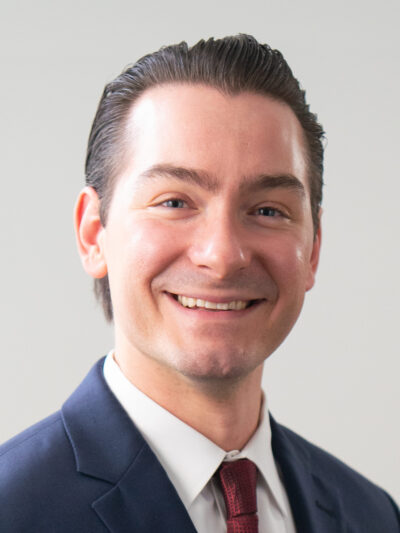
Graeham C. Gillin, Partner, COO at Roden Law

Graeham C. Gillin

Partner, COO

Frequently Asked Questions

Contact Our Charleston Office Today

If you were injured in Charleston and believe another party is at fault, contact us for a free, no-obligation review. Call (843) 790-8999 — no upfront cost.