
Key Takeaways
Credible car accident witnesses are independent, had clear vantage points, provide consistent and specific accounts, and give testimony corroborated by physical evidence. Georgia follows the Daubert standard for expert testimony (O.C.G.A. § 24-7-702) and allows two years to file (O.C.G.A. § 9-3-33). South Carolina also follows Daubert and provides three years (S.C. Code § 15-3-530). Both states use modified comparative fault rules where witness testimony is critical to determining each party's percentage of responsibility.
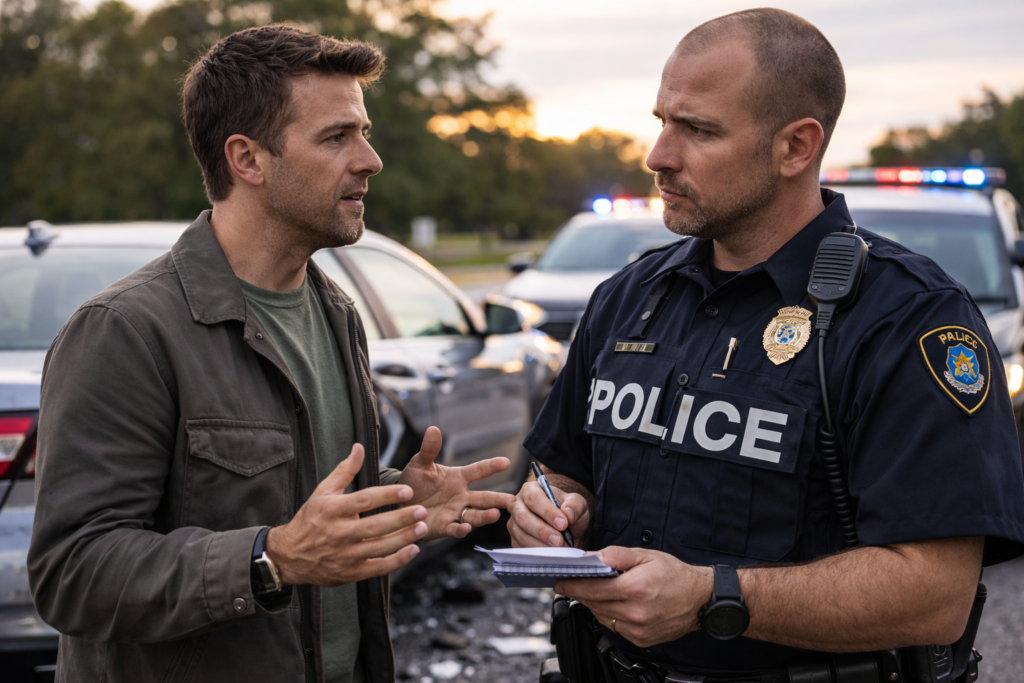
In a car accident case, witness testimony can make the difference between a successful claim and a denied one. When the drivers involved give conflicting accounts of what happened, credible witnesses provide the independent perspective that insurance adjusters, judges, and juries rely on to determine fault. Understanding what makes a witness credible and how testimony is evaluated helps you protect your claim from the moment the accident occurs. Both Georgia and South Carolina courts weigh witness credibility carefully, and the strength of your witnesses can directly affect the compensation you recover.
Why Witnesses Matter in Car Accident Cases
Car accident claims frequently come down to one driver’s word against the other. Each side naturally presents the facts in the most favorable light, making it difficult for insurance companies and courts to determine what actually happened. Independent witnesses provide critical objective evidence that helps resolve these disputes.
Witness testimony serves several essential functions in a car accident case:
- Establishing fault — Witnesses can confirm which driver ran the red light, failed to yield, was speeding, or was distracted at the time of the collision
- Corroborating your account — When a witness’s description matches yours, it strengthens the credibility of your version of events
- Filling in gaps — You may not remember everything about the accident, especially if you were injured. Witnesses can provide details you missed
- Contradicting false claims — If the other driver lies about what happened, witness testimony can expose those inconsistencies
- Documenting conditions — Witnesses can testify about road conditions, weather, visibility, traffic signals, and other environmental factors at the time of the crash
Witness testimony is particularly valuable in cases without clear physical evidence, such as sideswipe accidents, intersection collisions, and crashes where both vehicles sustained similar damage patterns that do not clearly indicate fault.
Types of Witnesses in Car Accident Claims
Not all witnesses serve the same purpose. Understanding the different types of witnesses helps you appreciate how your attorney builds the strongest possible case.
Eyewitnesses
Eyewitnesses are individuals who directly observed the accident. They may include other motorists, pedestrians, cyclists, passengers in either vehicle, or people in nearby homes or businesses. Eyewitness testimony about what they saw, heard, and experienced immediately before, during, and after the crash is often the most persuasive evidence in a car accident case.
Expert Witnesses
Expert witnesses are professionals retained for their specialized knowledge. In car accident cases, common expert witnesses include:
- Accident reconstructionists — use physics, engineering, and physical evidence to recreate how the collision occurred
- Medical experts — testify about the nature, severity, and expected prognosis of your injuries
- Biomechanical engineers — explain the forces involved in the crash and how they caused specific injuries
- Vocational rehabilitation experts — assess how your injuries affect your ability to work
- Economists — calculate lost earning capacity and future medical costs
Character Witnesses
In some cases, character witnesses may testify about a party’s reputation for honesty, careful driving, or other relevant traits. While less common in car accident cases, character testimony can be relevant when credibility is a central issue.
First Responders
Police officers, paramedics, and firefighters who responded to the scene may serve as witnesses. Their observations about vehicle positions, road conditions, driver behavior, visible injuries, and statements made at the scene carry significant weight because they are trained observers who documented what they found.
What Makes a Car Accident Witness Credible?
Not all witnesses carry equal weight. Insurance adjusters, attorneys, judges, and juries evaluate witness credibility based on several key factors:
| Credibility Factor | Strong Witness | Weak Witness |
|---|---|---|
| Independence | No relationship to either driver; no stake in the outcome | Friend, family member, or business associate of one driver |
| Vantage Point | Clear, unobstructed view of the collision | Partially blocked view, far away, or arrived after impact |
| Consistency | Account remains the same over time and across interviews | Story changes between the scene, written statement, and deposition |
| Specificity | Provides precise details about speed, signals, and movements | Vague or uncertain about key facts |
| Demeanor | Calm, confident, and straightforward when testifying | Evasive, argumentative, or overly rehearsed |
| Corroboration | Account matches physical evidence and other witnesses | Testimony contradicts the evidence or other reliable accounts |
| Sobriety | Was sober and alert at the time of observation | Under the influence or impaired in some way |
The most credible witnesses are typically uninvolved bystanders who happened to be in the right place at the right time—a pedestrian on the sidewalk, a driver stopped at an adjacent light, or a store employee looking out a window. Their lack of personal interest in the outcome gives their testimony heightened reliability.
Factors That Can Undermine Witness Credibility
Defense attorneys and insurance adjusters actively look for ways to discredit witnesses. Several factors can weaken a witness’s effectiveness:
Bias or Interest: A witness who is a friend, family member, or passenger of one of the drivers has an inherent bias. While their testimony is still admissible, it carries less weight than that of an independent observer. Similarly, witnesses who have a financial interest in the outcome—such as someone pursuing their own claim from the same accident—may face credibility challenges.
Inconsistent Statements: If a witness told police one thing at the scene, wrote something slightly different in a written statement, and then testified to yet another version at deposition, opposing counsel will highlight every inconsistency. This is why it is critical to provide accurate, honest accounts from the very first conversation.
Poor Observation Conditions: A witness who was far from the accident, had an obstructed view, or was distracted (looking at their phone, talking to a passenger) when the crash occurred will have their observations questioned. Night-time accidents, heavy rain, and other poor-visibility conditions can also affect how much a witness could actually see.
Memory Issues: Human memory is imperfect, and it degrades over time. A witness who did not write down their observations or provide a statement promptly after the accident may struggle to recall specific details months or years later when the case reaches litigation. This is one reason why your attorney works to obtain witness statements as early as possible.
Prior Criminal Record: In both Georgia and South Carolina, a witness’s criminal history—particularly convictions involving dishonesty—can be used to impeach their credibility. While a criminal record does not automatically disqualify someone as a witness, it may reduce the weight given to their testimony.
How Witness Testimony Is Used in Your Case
Witness testimony plays a role at multiple stages of a car accident claim:
Insurance Investigation: When you file a claim, the insurance adjuster investigates by reviewing the police report, examining physical evidence, and interviewing available witnesses. Strong witness support at this stage can result in faster, more favorable settlement offers.
Demand Package: Your attorney includes witness statements and summaries of their expected testimony in the demand package sent to the insurance company. This demonstrates the strength of your evidence before litigation begins.
Depositions: If the case enters litigation, witnesses may be deposed—giving sworn testimony under oath while being questioned by attorneys for both sides. Deposition transcripts can be used at trial if the witness is unavailable or if their testimony changes.
Trial Testimony: At trial, witnesses testify before the judge and jury. Your attorney conducts direct examination to elicit favorable testimony, while opposing counsel cross-examines to test credibility. The jury evaluates each witness’s believability when deciding fault and damages.
Witness testimony is equally important in other accident types, including truck accidents, motorcycle crashes, pedestrian accidents, and bicycle collisions, where witness accounts often clarify exactly how the collision occurred.
Witness Rules: Georgia vs. South Carolina
Both states have specific rules governing witness testimony, and understanding these rules helps ensure your witnesses are prepared and effective.
Georgia Witness Rules
Competency: Under Georgia law, any person is generally competent to testify as a witness if they are capable of understanding and communicating facts. There is no minimum age requirement, though the court may evaluate a child’s ability to understand the oath and provide reliable testimony.
Expert Witnesses: Georgia follows the Daubert standard for expert testimony (O.C.G.A. § 24-7-702), meaning the court acts as a gatekeeper to ensure that expert testimony is based on sufficient facts, reliable methods, and proper application of those methods to the case.
Statute of Limitations: Georgia’s two-year deadline (O.C.G.A. § 9-3-33) makes it essential to identify and interview witnesses quickly. Memories fade, and witnesses can become difficult to locate as time passes.
Comparative Fault: Under O.C.G.A. § 51-12-33, witness testimony about the actions of both drivers is crucial when determining each party’s percentage of fault. You must be found less than 50% at fault to recover damages.
South Carolina Witness Rules
Competency: South Carolina follows similar competency standards. Witnesses must be able to observe, recall, and communicate, and must understand the obligation to tell the truth under oath.
Expert Witnesses: South Carolina also follows the Daubert standard under the South Carolina Rules of Evidence, requiring that expert testimony be relevant and reliable before it is admitted.
Statute of Limitations: South Carolina’s three-year deadline (S.C. Code § 15-3-530) provides more time, but early witness identification is still critical for building the strongest case.
Comparative Fault: South Carolina allows recovery if you are less than 51% at fault. Witness testimony about both parties’ actions plays a central role in this determination.
| Factor | Georgia | South Carolina |
|---|---|---|
| Filing Deadline | 2 years (O.C.G.A. § 9-3-33) | 3 years (S.C. Code § 15-3-530) |
| Expert Standard | Daubert (O.C.G.A. § 24-7-702) | Daubert (SC Rules of Evidence) |
| Fault Threshold | Less than 50% to recover | Less than 51% to recover |
| Child Witnesses | Allowed with court discretion | Allowed with court discretion |
How to Gather Witness Evidence After an Accident
The steps you take immediately after a car accident can significantly affect the quality of witness evidence available for your case. Here is what you should do:
- Identify witnesses at the scene — Look for other drivers who stopped, pedestrians, cyclists, and people in nearby businesses who may have seen the accident
- Get contact information — Ask for names, phone numbers, and email addresses. If witnesses are reluctant to stay, ask if they would be willing to share their phone number so your attorney can follow up
- Ask what they saw — Brief conversations at the scene can help you understand what witnesses observed, but do not coach or suggest details
- Note their location — Record where each witness was positioned when they saw the accident, as this helps your attorney evaluate their vantage point
- Check for cameras — Nearby traffic cameras, dashcams, and business security cameras provide objective “witness” evidence that cannot be cross-examined or have its credibility challenged
- Contact your attorney promptly — An experienced lawyer will follow up with witnesses quickly to obtain formal statements while their memories are fresh
These same evidence-gathering principles apply to slip and fall accidents, dog bite incidents, and other personal injury cases where witness testimony can establish what happened and who is at fault.
How a Lawyer Strengthens Witness Testimony
An experienced car accident attorney knows how to maximize the impact of witness testimony and prepare witnesses for the challenges of the legal process:
- Early witness outreach — Your attorney contacts witnesses promptly to obtain detailed recorded or written statements before memories fade
- Witness preparation — Before depositions or trial, your lawyer prepares witnesses for what to expect, how to answer questions clearly and honestly, and how to handle cross-examination
- Expert retention — When eyewitness testimony alone is insufficient, your attorney retains qualified expert witnesses who can analyze physical evidence and provide professional opinions on liability
- Credibility protection — Your lawyer anticipates attacks on witness credibility and prepares strategies to address potential weaknesses
- Impeachment defense — If opposing counsel attempts to discredit your witnesses, your attorney can rehabilitate them through redirect examination
At Roden Law, our attorneys handle car accident cases across Georgia and South Carolina on a contingency fee basis—you pay nothing unless we recover compensation for you. If you have been injured in a car accident, contact us today for a free consultation or call 1-844-RESULTS. We will investigate your case thoroughly, identify and interview witnesses, and build the strongest possible claim on your behalf.
Frequently Asked Questions
The most credible witnesses are independent (no relationship to either driver), had a clear vantage point, provide consistent accounts over time, offer specific details about what happened, remain calm and straightforward when testifying, and give testimony that is corroborated by physical evidence and other witnesses.
Yes, passengers can testify as witnesses. However, because they have a relationship with the driver, their testimony may carry less weight than that of an independent bystander. Insurance adjusters and defense attorneys may argue that a passenger witness is biased, so corroborating evidence strengthens their testimony.
At the accident scene, look for other drivers who stopped, pedestrians, cyclists, and people in nearby businesses. Get their names, phone numbers, and email addresses. Note where they were positioned. Also check for traffic cameras, dashcams, and business security cameras. Contact an attorney promptly so they can follow up while memories are fresh.
Expert witnesses are professionals retained for their specialized knowledge. Common experts in car accident cases include accident reconstructionists who recreate the collision, medical experts who testify about injuries, biomechanical engineers who explain crash forces, vocational experts who assess work impact, and economists who calculate financial losses.
Georgia gives you two years from the date of the accident to file a lawsuit under O.C.G.A. § 9-3-33. South Carolina allows three years under S.C. Code § 15-3-530. Because witness memories fade over time, it is critical to contact an attorney and obtain witness statements as early as possible.
Yes, a person with a criminal record can still testify as a witness. However, in both Georgia and South Carolina, prior convictions involving dishonesty can be used by opposing counsel to challenge the witness credibility. A criminal record does not automatically disqualify a witness, but it may reduce the weight given to their testimony.
About the Author