
Charleston’s Risky Reputation on the Road
Charleston is celebrated for its cobblestone streets and historic charm, but for daily commuters, that beauty often feels worlds away from the stress of navigating its congested roads. We all feel it, the slow crawl on I-26 or the tense merge onto the Ravenel Bridge. This frustration is more than just a feeling. A 2025 ConsumerAffairs report brought this reality into sharp focus, ranking Charleston drivers among the worst in the nation. According to the report highlighted by ABC News 4, the city experiences 15.13 traffic fatalities per 100,000 residents, a rate significantly higher than the national average. This article moves beyond general complaints to analyze recent crash data, identifying specific dangerous intersections and empowering you with knowledge for better Charleston traffic safety.
The City’s Top Crash Hotspots in 2025
While traffic feels challenging everywhere, data shows that a few specific locations are responsible for a disproportionate number of collisions. These Charleston car accident hotspots are where design flaws, high traffic volume, and driver behavior create a perfect storm. Understanding where these areas are is the first step toward navigating them more safely. Based on an analysis of local crash data, four major intersections consistently stand out.
- Ashley Phosphate Road & I-26: This interchange is in a league of its own. Local traffic analysis cited by Joye Law Firm shows it has a 65% higher accident rate than the next riskiest spot. The combination of extreme traffic volume and complex merging patterns makes Ashley Phosphate Road accidents a daily occurrence.
- I-26 & U.S. 78: With over 137 recorded accidents in recent analyses, this interchange is a well-known trouble spot. Collisions here often stem from driver inattention, especially from those unfamiliar with the lane configurations and exit ramps.
- US-17 at Houston Northcutt Boulevard: A key problem area in Mount Pleasant, this intersection is a mix of heavy through traffic, constant retail entrance and exit activity, and multiple turning lanes. This environment is ripe for rear-end and T-bone crashes.
- Rivers Avenue at Otranto Road: Located in North Charleston, this intersection’s high volume of commuter traffic combined with numerous business access points gives it a consistently high-risk profile.
These complex interchanges are also frequent sites for collisions involving large commercial vehicles. You can learn more about these specific incidents from our Charleston truck accident lawyers.
Charleston’s Top 4 Accident Hotspots: A Quick Guide
| Intersection | Primary Hazard | Key Statistic/Fact |
|---|---|---|
| Ashley Phosphate Rd & I-26 | Extreme traffic volume and complex merging | 65% higher accident rate than the #2 spot |
| I-26 & U.S. 78 | Inattentive driving at a major interchange | Over 137 recorded accidents |
| US-17 & Houston Northcutt Blvd | High-density traffic with frequent turning | Prone to rear-end and T-bone collisions |
| Rivers Ave & Otranto Rd | Heavy commuter flow and business access points | Consistent high-risk profile in North Charleston |
This table summarizes data from local traffic analyses and news reports to provide a quick reference for Charleston’s most consistently dangerous intersections.
Anatomy of a Dangerous Intersection
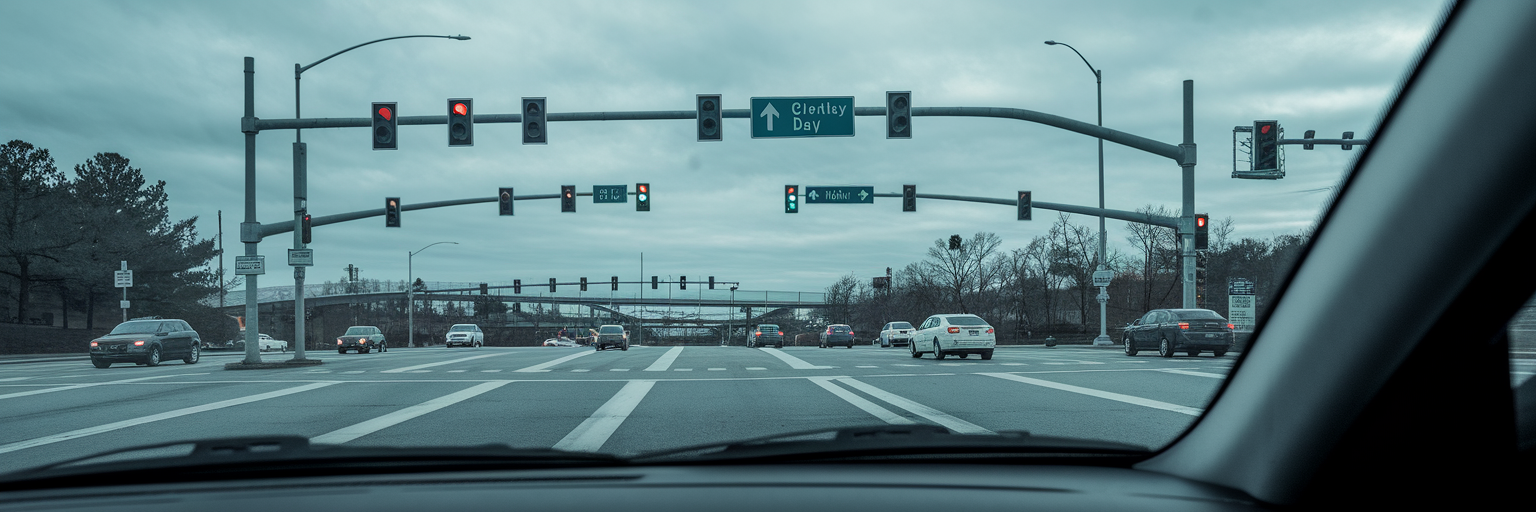
The dangerous intersections Charleston SC drivers face are not simple four-way stops. They are complex systems with a mix of on-ramps, off-ramps, and multiple turning lanes that dramatically increase a driver’s cognitive load. Instead of one decision, you are forced to make several at once. Do you have enough space to merge? Is the car in your blind spot speeding up? Which lane do you need to be in for your exit a quarter-mile ahead?
This leads to the “merge-and-weave” effect, particularly at interchanges along I-26. Imagine trying to change lanes while another driver is trying to merge into that same space from an on-ramp, all while monitoring the speed of traffic ahead. This forces drivers to make multiple critical decisions in a very short span of time, creating conditions ripe for sideswipes and chain-reaction collisions. The “merge-and-weave” effect is especially dangerous for riders, a topic our Charleston motorcycle accident lawyers are very familiar with.
These infrastructure issues are compounded by Charleston’s rapid population growth. Many of our roads were simply not designed to handle modern traffic volumes. The result is constant congestion, which in turn leads to driver frustration, impatience, and aggressive behaviors that make these hotspots even more hazardous.
The Driving Behaviors Behind the Statistics
While road design plays a role, the human element is often the deciding factor in a crash. At these hotspots, specific driver errors turn a risky situation into a collision. The most common culprit is distracted driving. We have all seen it: drivers looking down at their phones to text, adjust a navigation app, or take a call. That split second of inattention is all it takes to cause a rear-end collision or miss a yielding vehicle.
Speeding is another critical factor. It is not an accident but a deliberate choice, and in 2025, it was involved in nearly half of Charleston’s traffic fatalities. Exceeding the speed limit through a complex interchange reduces reaction time and dramatically increases the severity of a crash. Another common issue is the failure to yield the right-of-way. This often happens when a driver misjudges another vehicle’s speed or simply grows impatient waiting for a clear opening in traffic. Of course, impaired driving remains a significant contributor to Charleston’s poor national safety ranking, turning any intersection into a potential danger zone. Understanding these behaviors is the first step toward prevention, and you can find more expert automotive insights on accident prevention to help you stay safe on the road by reading news from sources like CarPhanatics.
Defensive Driving for Charleston’s Roads
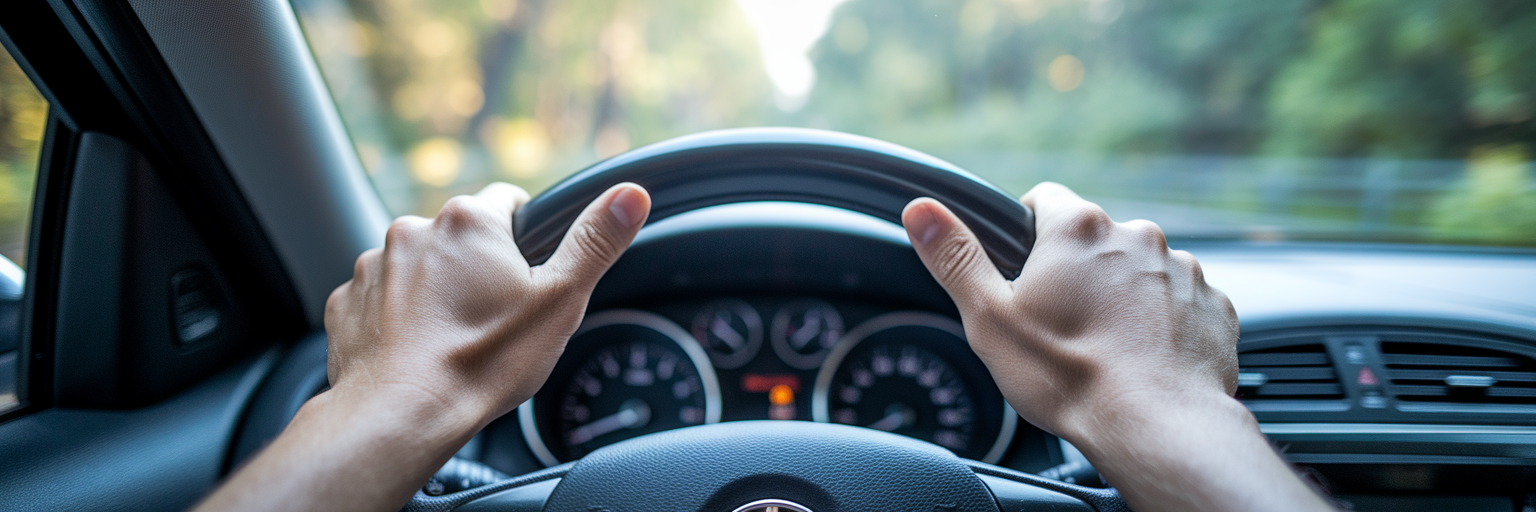
You cannot control how others drive, but you can adopt habits that protect you from their mistakes. Applying these defensive driving tips Charleston locals can use daily is the most effective way to stay safe. Adopting these habits is the best way to avoid needing legal help, but Roden Law is here for you if an accident does happen.
- Increase Following Distance: The old two-second rule is not enough for Charleston traffic. On I-26 during peak hours or in bad weather, extend your following distance to a four-second rule. This gives you more time to react to sudden stops.
- Assume Distraction: Drive as if everyone around you is distracted. Before entering an intersection, try to make eye contact with other drivers. Watch for vehicles that drift within their lane or brake erratically, as these are signs of an inattentive driver.
- Plan Your Route: Know your exit or turn well in advance. Last-minute, desperate lane changes are a primary cause of accidents at these hotspots. If you miss your turn, it is far safer to proceed to the next one than to cut across multiple lanes of traffic.
- Use the ‘Two-Second Scan’: Before entering any intersection, even on a green light, take two seconds to look left, right, and then left again. This simple habit can help you spot a driver running a red light and avoid a devastating T-bone collision.
Immediate Steps After a Charleston Crash
Even the most careful drivers can find themselves in a collision. Knowing what to do after a car accident in SC can protect your health and your legal rights. If you are involved in a crash, stay as calm as possible and follow these steps.
- Prioritize Safety: First, check yourself and your passengers for injuries. If it is safe to do so and your vehicle is operable, move it to the shoulder or a nearby safe location to prevent further accidents and keep traffic flowing. Turn on your hazard lights.
- Report and Document: Call 911 immediately. A police report is a critical piece of evidence, and paramedics can assess injuries on the scene. Use your smartphone to take photos of the vehicle damage, license plates, skid marks, and the overall scene from multiple angles.
- Exchange Information: Get the other driver’s name, address, phone number, driver’s license number, and insurance information. Provide them with your information as well. Crucially, do not admit fault or apologize. Stick to the facts of what happened.
- Seek Medical Attention: Adrenaline can mask pain. Even if you feel fine, it is essential to get a medical evaluation. Some serious injuries may not show symptoms for hours or even days.
After a crash, navigating insurance claims can be overwhelming. If you have been injured, the experienced Charleston car accident lawyers at our firm can help you navigate the complexities of your claim. Do not hesitate to contact us for a consultation to understand your rights.
Building a Safer Driving Culture Together
Improving Charleston traffic safety is a shared responsibility. While we wait for long-term infrastructure projects to ease congestion, the most immediate change can come from us, the drivers. By staying aware of high-risk zones, practicing defensive driving, and knowing the correct post-crash procedures, we contribute to a safer community. Every driver who chooses to put their phone down, maintain a safe following distance, and show a little more patience makes our roads better for everyone. Let us work together to protect our fellow Charlestonians and change the city’s reputation one safe trip at a time.